
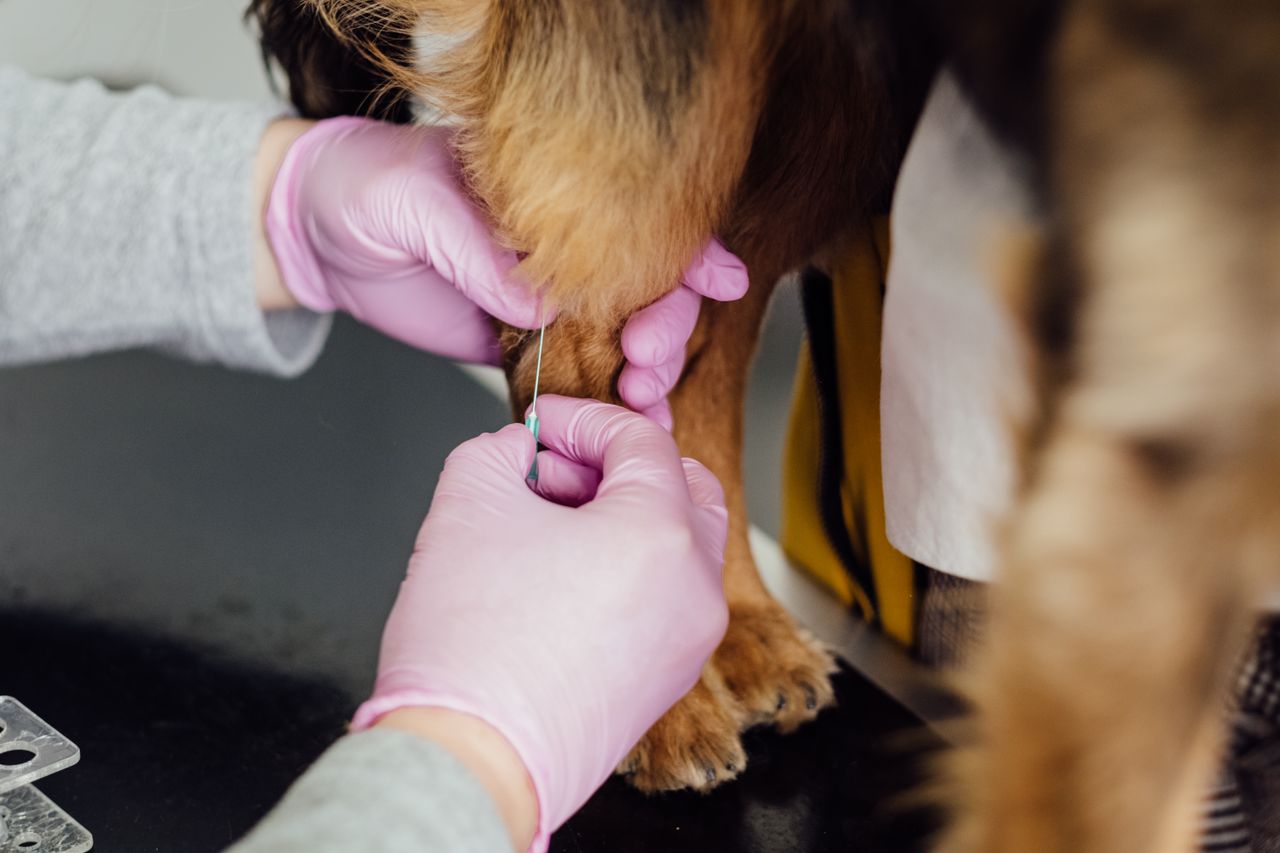
Bringing a new puppy home comes with plenty of excitement, but it also brings important responsibilities. One of the first things new owners need to understand is the puppy vaccination schedule. Vaccinations help prepare a young puppy’s developing immune system to fight serious infectious diseases, some of which can be life-threatening.
Puppies are particularly vulnerable during their first few months because their immune systems are still developing. They receive temporary antibodies from their mother’s first milk, but this protection gradually decreases. Vaccination is therefore carefully timed to help protect puppies during this vulnerable period.
The exact schedule can vary depending on your puppy’s age, health, location, lifestyle, and the vaccines recommended by your veterinarian. However, most puppies begin their first vaccinations at around 6–8 weeks of age and receive additional doses over the following weeks.
Why Is a Puppy Vaccination Schedule So Important?
Vaccinations are more than a routine veterinary appointment. They are an important part of preventive healthcare.
Young puppies can encounter infectious diseases through other animals, contaminated surfaces, soil, feces, or shared environments. Parvovirus, for example, is highly contagious and can remain in the environment for an extended period. Distemper and other infections can also cause severe illness in unvaccinated puppies.
Keeping vaccinations on schedule can help:
• Reduce the risk of serious infectious diseases
• Build stronger immunity as maternal antibodies decline
• Make socialization and outdoor activities safer
• Protect other dogs in the community
• Reduce the risk of expensive treatment for preventable illnesses
• Establish a long-term relationship with your veterinarian
Vaccination also forms part of a broader preventive-care routine. Puppy appointments give your vet opportunities to monitor growth, discuss nutrition, check for parasites, and identify potential health concerns early.
What Vaccines Do Puppies Usually Need?
Puppy vaccines are generally divided into core and non-core vaccines. Core vaccines are recommended broadly because they protect against serious or potentially life-threatening diseases, while non-core vaccines are chosen according to a puppy’s lifestyle, geographic location, travel, and risk of exposure. Current AAHA guidance lists distemper, adenovirus, parvovirus, and rabies as core vaccines and also recommends leptospirosis based on current risk considerations. Vaccines such as Bordetella, Lyme disease, and canine influenza may be appropriate for puppies with specific exposure risks.
Distemper
The canine distemper vaccine helps protect puppies from a highly contagious viral disease that can affect the respiratory, gastrointestinal, and nervous systems. Because puppies are especially vulnerable, distemper vaccination is part of the standard primary puppy vaccine series. The series is repeated at intervals during the early weeks of life because maternal antibodies can interfere with the immune response to early doses.
Parvovirus
Parvovirus is one of the major concerns for young, unvaccinated puppies. It can cause severe gastrointestinal illness, including vomiting, diarrhea, dehydration, and potentially fatal complications. Parvovirus vaccination is considered a core part of puppy preventive care and is normally given as part of a combination vaccine during the primary series.
Adenovirus
Vaccination against canine adenovirus helps protect against infectious diseases that can affect the liver and respiratory system. Adenovirus type 2 is commonly included in combination vaccines alongside distemper and parvovirus and is considered a core vaccine for dogs.
Leptospirosis
Leptospirosis is a bacterial disease that can affect the kidneys and liver and can also pose a risk to people. AAHA currently includes leptospirosis among vaccines recommended for dogs, with its importance depending on individual and regional risk. For puppies, the initial series commonly begins at about 12 weeks of age and requires two doses separated by 2–4 weeks.
Rabies
Rabies vaccination protects against a fatal viral disease that can affect both animals and humans. Unlike some other puppy vaccines, rabies vaccination is closely tied to local laws and the licensed vaccine product. Your veterinarian can tell you when your puppy should receive it and what requirements apply in your area.
Lifestyle or Non-Core Vaccines
Some puppies may need additional vaccines because of their individual circumstances. Bordetella may be recommended for puppies that will spend time in boarding facilities, daycare, grooming environments, or around groups of dogs. Canine influenza vaccination may also be appropriate where exposure risk is significant. Lyme disease vaccination can be considered in areas where the disease is prevalent or where a puppy has substantial tick exposure.
The important point is that there is no single vaccine list that fits every puppy perfectly. A veterinarian should consider your puppy’s age, health, environment, travel plans, contact with other animals, and local disease risks when creating the vaccination plan. AAHA recommends developing an individualized protocol based on the dog’s risk of disease exposure rather than treating every vaccine recommendation as identical for every patient.
Puppy Vaccination Schedule: Step by Step
1. First Vaccination: 6–8 Weeks
The first puppy vaccination commonly takes place between 6 and 8 weeks of age. Depending on the veterinary protocol, this may provide protection against diseases such as distemper, parvovirus, adenovirus, and leptospirosis.
At this stage, maternal antibodies may still provide some temporary protection. However, those antibodies gradually decline, creating a period when a puppy can become increasingly vulnerable to infection.
This is one reason vaccination does not usually happen just once.
2. Second Vaccination: Around 10–12 Weeks
A second dose is generally given about 2–4 weeks after the first. This helps strengthen the puppy’s immune response as maternal protection continues to decline.
Your veterinarian may also recommend additional vaccines at this appointment based on your puppy’s lifestyle and exposure risks.
3. Third Vaccination: Around 14–16 Weeks
Some puppies require a third vaccination at approximately 14–16 weeks, particularly when their initial vaccination course started early or when individual circumstances make additional protection appropriate. PetMD notes that some puppies, including those in higher-risk situations, may have their final doses later than 16 weeks.
The purpose of continuing the series is to help ensure adequate immunity after maternal antibodies have declined.
When Can a Puppy Go Outside?
One of the biggest questions new puppy owners have is when their puppy can safely explore the outdoors.
After the first vaccination, puppies have some protection, but they may not yet have enough immunity to safely walk in public areas or interact freely with unknown dogs. Medivet recommends carrying a puppy outside during this period rather than allowing them to walk on potentially contaminated ground.
After the second vaccination, many puppies can begin public walks and broader socialization after an appropriate waiting period. Medivet states that this is often around two weeks after the second vaccination, although the timing should be confirmed with your veterinarian.
You can still introduce a young puppy to new sights, sounds, people, and safe environments before full vaccination. For example, you can carry your puppy outdoors or allow controlled interaction with healthy, vaccinated dogs.
Avoid public areas heavily used by unknown or unvaccinated dogs until your veterinarian confirms that it is safe.
What Diseases Are Puppy Vaccines Designed to Prevent?
Parvovirus
Parvovirus is particularly dangerous for puppies. It attacks the gastrointestinal system and can cause severe vomiting, diarrhea, dehydration, lethargy, and potentially death. It can also survive in contaminated environments for long periods.
Canine Distemper
Distemper is a highly contagious viral disease that can affect the respiratory, gastrointestinal, and nervous systems. Severe cases can result in neurological complications and death.
Adenovirus
Canine adenovirus can cause infectious hepatitis, affecting organs such as the liver and kidneys. Adenovirus type 2 is also associated with respiratory disease and kennel cough. Modern combination vaccines commonly provide protection against relevant adenovirus strains.
Leptospirosis
Leptospirosis is a bacterial infection that can be transmitted through contaminated water or contact with infected urine. It can cause serious kidney and liver problems and can also affect humans.
Rabies
Rabies is a fatal viral disease that can affect animals and people. Vaccination requirements differ according to local laws and circumstances, so owners should follow the rules applicable to their location.
What About Lifestyle Vaccines?
Not every puppy needs exactly the same non-core vaccines.
For instance, Bordetella vaccination may be recommended if your puppy will attend daycare, boarding facilities, grooming appointments, or spend significant time around other dogs. Canine influenza and Lyme vaccination may also be appropriate depending on exposure and geography.
Tell your veterinarian about your puppy's normal routine, planned travel, outdoor activities, and expected contact with other dogs. This information can help them create a more appropriate vaccination plan.
What Should You Expect After Vaccination?
Most puppies tolerate vaccinations well. However, mild reactions can occur while the immune system responds.
A puppy may be slightly tired, have a reduced appetite, develop a mild fever, or experience minor swelling or discomfort around the injection site. These effects are generally temporary.
Keep your puppy comfortable and avoid strenuous activity immediately after vaccination. Continue normal feeding unless your veterinarian advises otherwise.
Serious reactions are uncommon, but owners should take symptoms such as facial swelling, difficulty breathing, repeated vomiting or diarrhea, collapse, hives, or extreme lethargy seriously and contact a veterinarian immediately.
Vaccinations Are Only One Part of Puppy Care
A vaccination schedule is an important foundation, but a healthy puppy needs more than vaccines. Regular veterinary examinations, parasite prevention, appropriate nutrition, exercise, socialization, and weight monitoring all contribute to healthy development.
Because puppies grow rapidly, monitoring their weight can also help you understand whether their development is progressing appropriately. You can use a calculate puppy weight tool to keep track of expected growth, but it should not replace veterinary assessment.
Nutrition is equally important. Puppies need a diet appropriate for their age, size, and growth requirements. If your puppy is struggling to gain weight, focus on appropriate nutrition rather than simply increasing food portions. A guide on increase puppy weight using the right diet can help explain why balanced nutrition matters during growth.
Don't Forget Booster Vaccinations
Completing the puppy vaccination series does not mean vaccinations are finished forever. Dogs generally need booster vaccinations to maintain protection throughout life. The timing varies according to the vaccine, local requirements, and your veterinarian's recommendations.
Keeping vaccination records is also important. You may need them when enrolling your dog in daycare or training classes, using boarding services, changing veterinary practices, traveling, or obtaining certain pet-related services.
Final Thoughts
A puppy's first few months are a critical period for building healthy habits and protection against infectious diseases. Starting vaccinations at around 6–8 weeks and following the recommended booster schedule helps bridge the gap between declining maternal antibodies and developing the puppy's own immunity.
However, there is no universal schedule that is perfect for every puppy. Breed, age, health, location, lifestyle, travel, and exposure risks can all influence the recommendations.
The best approach is simple: keep your puppy's vaccination records organized, attend every scheduled veterinary appointment, follow your vet's guidance about outdoor activities, and combine vaccinations with good nutrition, parasite prevention, weight monitoring, and regular health checks. This gives your puppy a much stronger foundation for a healthy life.