
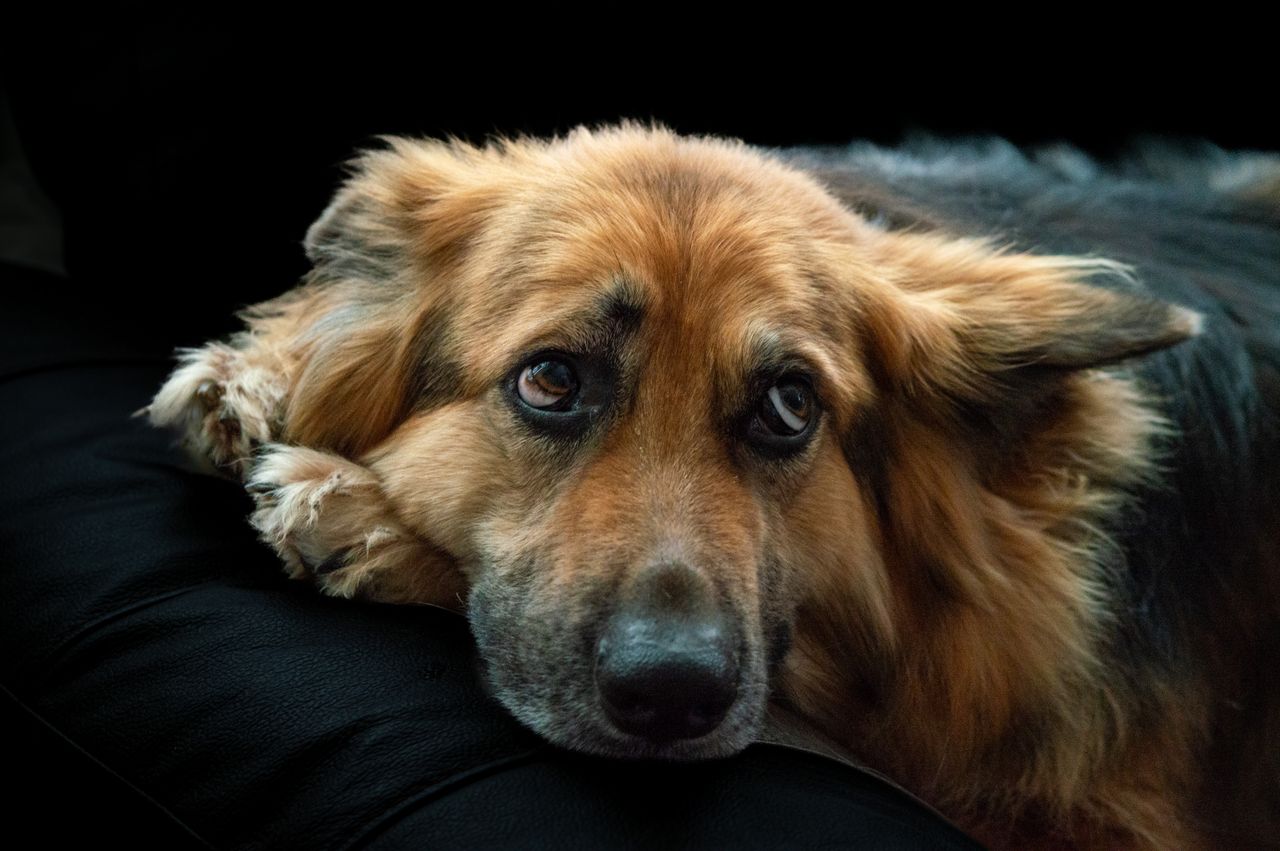
Leaving your dog home alone should be a normal part of everyday life, but for some dogs, even a short absence can feel overwhelming. Barking, whining, pacing, chewing furniture, scratching at doors, accidents, and frantic attempts to escape may all appear when their favourite person leaves.
These behaviours can be frustrating for owners, but they are not necessarily signs that a dog is being stubborn or naughty. Separation anxiety in dogs is often rooted in genuine fear and distress, which means the solution is not simply telling your dog to stop. The goal is to gradually teach them that being alone is safe and that you will return.
With patience, consistency, and the right approach, many dogs can become more comfortable with alone time.
What Is Separation Anxiety in Dogs?
Separation anxiety occurs when a dog experiences significant stress after being separated from their owner or another person they are strongly attached to. In some cases, anxiety can begin before the owner has even left. Everyday departure cues, such as picking up keys, putting on shoes, or grabbing a coat, can become signals that trigger nervousness.
Once alone, an anxious dog may bark or howl continuously, pace around the house, scratch at doors, chew objects, urinate or defecate indoors, or try to escape. Some dogs may even injure themselves during frantic escape attempts.
It is important to understand that these behaviours are different from ordinary mischief. A dog experiencing intense anxiety is reacting emotionally rather than deliberately trying to upset its owner.
Why Do Dogs Develop Separation Anxiety?
There isn't one single reason why a dog develops separation-related anxiety. Different dogs can have different triggers, and sometimes several factors overlap.
Major changes in a dog's life can play a role. Moving house, changes in the owner's schedule, being rehomed, losing a companion, or suddenly spending much more time alone can be stressful. A dog's temperament, early experiences, genetics, and socialisation may also influence how they respond to separation.
Even dogs that have always lived in loving and stable homes can develop the problem. For example, a dog that has become accustomed to having someone at home throughout the day may struggle when that routine suddenly changes.
Understanding the possible trigger is useful, but owners don't always need to know exactly why the anxiety started before they can begin helping their dog.
Recognising the Signs
Some dogs make their anxiety obvious, while others show subtler signs. Watch your dog carefully around departures and during periods when they are left alone.
Common signs include:
- Persistent barking, whining, or howling
- Pacing or inability to settle
- Excessive panting or drooling
- Scratching or chewing doors and windows
- Destructive behaviour
- Indoor toileting despite being house-trained
- Attempts to escape
- Repetitive or restless behaviour
- Refusing food or struggling to relax
- Self-injury in severe cases
A useful way to understand what happens after you leave is to use a camera or another safe method of monitoring your dog. This can help reveal whether your dog settles after a few minutes or remains distressed throughout the absence.
Separation Anxiety Isn't the Same as Boredom
A bored dog and an anxious dog may both chew something they shouldn't, but the underlying reasons can be very different.
A bored dog may entertain itself for a while and then settle down or sleep. A dog experiencing separation anxiety is more likely to remain distressed, with behaviours such as persistent vocalisation, pacing, escape attempts, or other signs of panic.
This distinction matters because simply giving an anxious dog another toy may not address the underlying problem. Exercise, enrichment, and interactive toys are valuable parts of good dog care, but significant separation anxiety usually requires a more structured behaviour plan.
Start With Very Small Separations
One of the most important principles when helping an anxious dog is not asking for more than they can comfortably handle.
Instead of immediately leaving your dog alone for an hour, begin with a period short enough that they remain calm. For some dogs, this could be several minutes. For others, the starting point may need to be much shorter.
The idea is to practise brief absences and gradually increase them as your dog becomes comfortable. If your dog begins showing obvious distress, the previous step may have been too difficult.
This gradual process is commonly referred to as desensitisation. The objective is to give your dog repeated experiences of being alone without allowing the situation to escalate into panic.
Make Alone Time Predictable and Positive
Your dog's environment can also influence how comfortable they feel.
Create a calm area where your dog already feels secure. Depending on the individual dog, this could be a quiet room, gated area, or another familiar space with comfortable bedding and safe enrichment items.
Interactive or food-based toys may help some dogs focus on an enjoyable activity while you are away. Background noise, such as a radio or television, may also provide a familiar sound in an otherwise quiet home.
However, these tools should be viewed as support rather than a cure. A dog experiencing serious panic may not be interested in food or toys when left alone.
Keep Departures Calm
Long goodbyes can unintentionally make leaving feel like a major event.
Instead, aim to keep your departure and return relatively calm and predictable. You can also practise departure cues without actually leaving. For example, pick up your keys, put on your shoes, or grab your coat and then continue with something else.
Over time, this can help reduce the connection between these everyday actions and an immediate period of isolation.
Don't Force Your Dog to "Get Used to It"
One of the biggest mistakes owners can make is assuming that leaving an anxious dog alone for increasingly long periods will automatically teach them to cope.
For a dog experiencing genuine separation anxiety, prolonged exposure to an overwhelming situation can increase distress rather than build confidence. Malena DeMartini's guidance particularly stresses keeping absences within a level the dog can handle and building duration gradually.
The aim is not to see how long your dog can endure being alone. It is to create successful experiences that gradually change how they feel about separation.
Exercise and Mental Stimulation Still Matter
Physical activity and mental enrichment are important components of a healthy routine. A suitable walk, play session, training activity, or puzzle toy can help meet your dog's physical and mental needs before you leave.
However, there is an important distinction: a tired dog is not automatically a dog without separation anxiety.
Exercise may reduce excess energy and boredom, but it does not necessarily resolve the fear associated with being alone. For dogs with genuine separation anxiety, exercise should complement—not replace—behaviour modification.
Build Confidence Outside of Departure Time
Helping your dog become comfortable alone isn't limited to the moment you walk out the door.
During everyday life, give your dog opportunities to relax independently. You might spend time in another room while your dog remains safely occupied, or encourage them to settle in their own comfortable space. Consistent obedience work can also help build confidence, so learning how to train a dog can be useful when establishing positive routines and teaching your pet to settle calmly.
If you're also monitoring your dog's growth and overall development, you can calculate dog weight using an age-appropriate puppy weight resource. Keeping track of general health and development can be a useful part of responsible pet care.
What About Crate Training?
A crate can be useful for dogs that already view it as a comfortable, secure place. However, it should not automatically be used as the solution for separation anxiety.
Some anxious dogs become more distressed when confined. They may scratch, bite, or attempt to escape from the crate and could potentially injure themselves.
If your dog shows panic when confined, discuss safer alternatives with a qualified professional rather than assuming that more crate time will solve the problem.
When Should You Contact a Veterinarian?
If your dog's anxiety is severe, persistent, or getting worse, professional guidance is important.
Contact your veterinarian if your dog:
- Injures themselves while trying to escape
- Remains highly distressed whenever left alone
- Suddenly develops significant behavioural changes
- Refuses food or cannot settle
- Has severe destructive or elimination problems
- Does not improve despite careful gradual training
A veterinarian can help rule out medical issues and determine whether your dog needs a more comprehensive behaviour plan. In severe cases, medication may sometimes be considered alongside behaviour modification rather than as a standalone solution.
Be Patient With Progress
There is no universal timeline for overcoming separation anxiety. One dog may progress relatively quickly, while another may need a much slower approach.
Try to measure progress by your dog's ability to remain relaxed rather than by how quickly you can increase the length of an absence. If a particular step causes anxiety, go back to an easier level and build from there.
Keeping a simple record of your training sessions can also help. Note how long your dog remained comfortable, what departure cues were involved, and any signs of stress. This makes it easier to recognise patterns and adjust the plan.
If you're also monitoring your dog's growth and overall development, you can calculate dog weight using an age-appropriate puppy weight resource. Keeping track of general health and development can be a useful part of responsible pet care.
The Bottom Line
Separation anxiety can be difficult for both dogs and their owners, but it does not mean your dog is badly behaved or that the situation is hopeless.
The most helpful approach is to focus on safety, gradual exposure, consistency, and patience. Start with manageable periods of separation, avoid overwhelming your dog, create a comfortable environment, and use exercise and enrichment as supporting tools.
Most importantly, don't punish anxious behaviour. Your dog isn't trying to make your life difficult—they are struggling with being alone.
When anxiety is severe or progress has stalled, getting help from a veterinarian or qualified behaviour professional can make the process safer and more effective. With the right support and a thoughtful plan, alone time can gradually become something your dog can handle with much greater confidence.